Quick picks
For short-putt repetition, start with the Accelerator Pro Indoor Putting Green. For full-swing practice, the Spornia SPG-7 net is the more substantial setup, provided you have safe clearance. Foam practice balls are a lower-risk way to rehearse contact in a suitable open area. The SKLZ trainer and Selfie Golf Swing Recorder address different needs: one supports repeated swing-feel work, while the other helps you review your movement on video.
How the options compare
Think in four groups. Putting products build a repeatable short-game routine in a narrow space. Nets and foam balls support ball-striking only when the surrounding area is safe. Swing aids and phone recording tools help you focus on movement and tempo, but they do not tell the whole story of ball flight. A starter club set, GPS, stroke counter, and golf-themed speaker are supporting gear for taking practice onto the course rather than substitutes for a training plan.
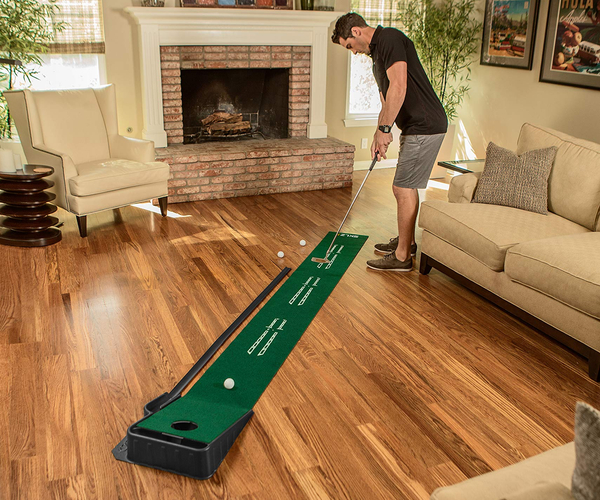
Accelerator Pro Indoor Putting Green with Ball Return
A nine-foot indoor putting surface with distance markings at three, five, and seven feet and a ball-return feature. It gives short-putt practice a defined lane, but it still needs a level stretch of floor and cannot reproduce the speed or contours of an outdoor green.
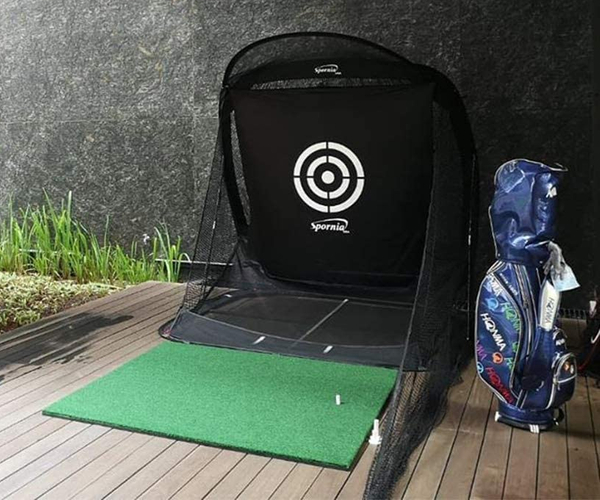
Spornia SPG-7 Golf Practice Net
A dedicated practice net for players who want to hit balls at home rather than rehearse only without a ball. It is a larger commitment than a putting mat: measure ceiling height, swing clearance, side clearance, and the intended setup area before buying.
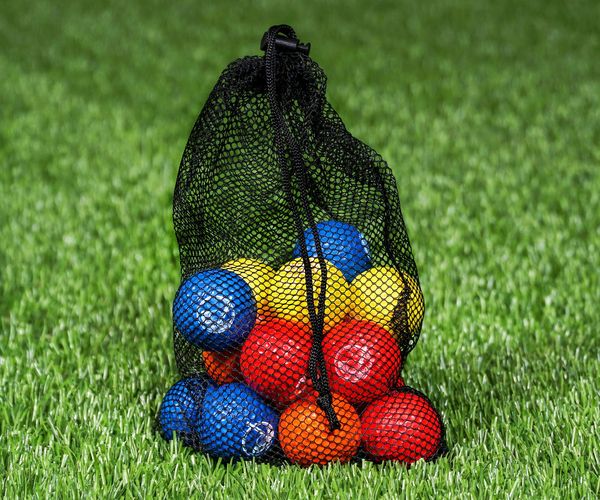
Foam Golf Practice Balls
A low-cost practice-ball option for controlled drills where a standard golf ball would be inappropriate. Foam construction limits flight distance, but the feel and flight are not identical to a regulation ball.

SKLZ Golf Swing Trainer
A dedicated swing-training tool intended for repeated practice without hitting a bucket of balls. It is more focused than a general exercise aid, though it cannot show where a real golf ball would travel.
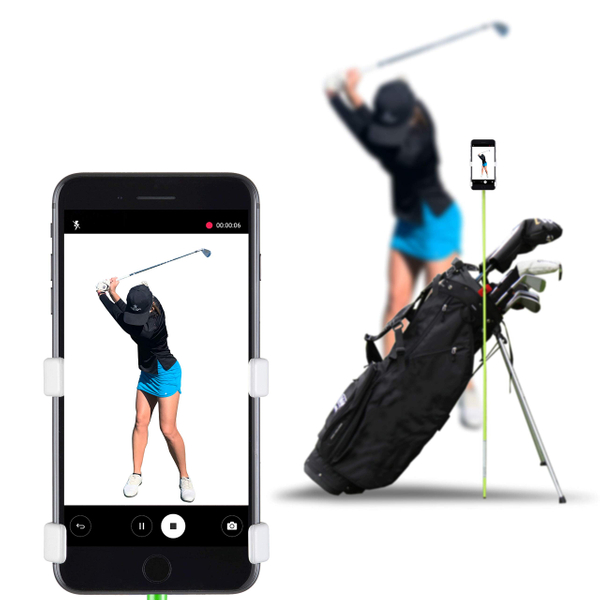
Selfie Golf Swing Recorder
A phone-recording accessory designed to capture a golfer's swing from a useful angle. Its value depends on getting a stable setup and choosing a repeatable camera position; a shaky or poorly aligned clip can be more confusing than helpful.
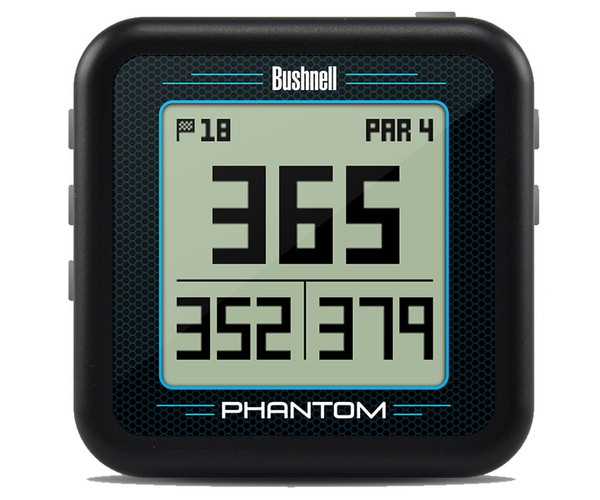
Bushnell Phantom Golf GPS
A compact course-navigation device rather than a home training aid. The catalog listing describes preloaded course information and hazard-distance readings; buyers should confirm course coverage, update support, and the exact model generation.
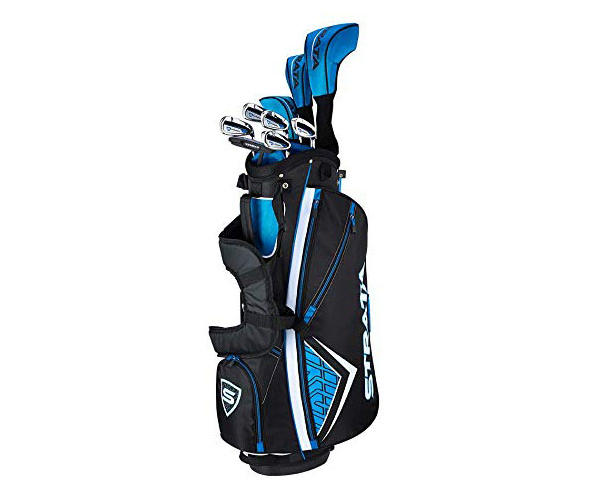
Callaway Strata Starter Golf Set
A bundled starter set described as including multiple clubs, a bag, and head covers. A package can simplify a first purchase, but the correct handedness, shaft flex, club configuration, and fit matter more than the convenience of buying everything together.
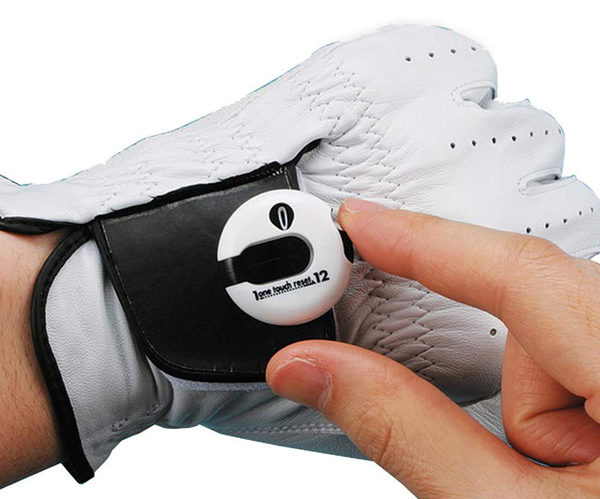
Golf Stroke Counter
A small counter that clips to a golf glove and is described as counting up to twelve before resetting. It is a simple scorekeeping aid, not a swing-analysis device, and players should remember to reset it between holes.
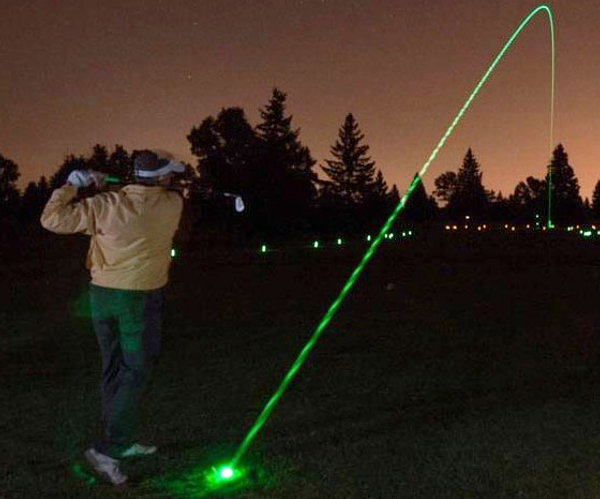
Light Up Golf Balls
An illuminated ball set intended for twilight play and novelty rounds. The catalog describes four colors and a short LED illumination period; buyers should check the current pack size and instructions, and should not treat these as a substitute for normal practice balls.
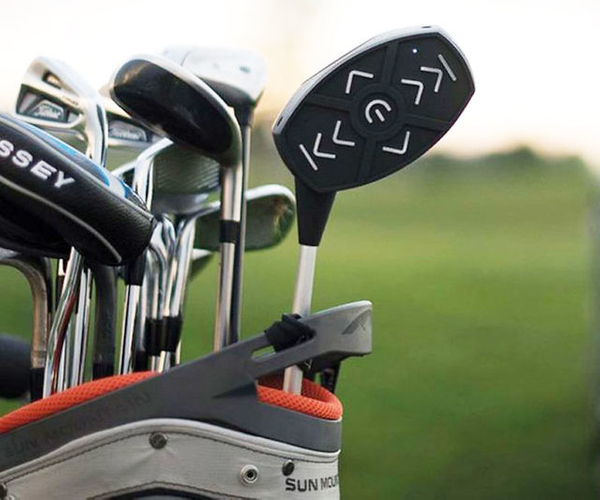
Golf Club Bluetooth Speaker and Power Bank
A golf-themed Bluetooth speaker that also serves as a power bank. It is an optional comfort accessory, not practice equipment, and golfers should check battery details, mounting or carrying options, and course policies before bringing a speaker onto a round.
How to choose golf practice gear
Start by measuring the space, not by choosing the most elaborate product. A putting lane needs enough flat floor for the mat and a comfortable stance. A full-swing setup needs overhead and side clearance, a stable hitting surface, and a net designed for the type of shots being hit. Keep people, pets, windows, and breakable objects out of the practice zone. Do not hit standard golf balls indoors unless the space and equipment are specifically designed for that use. Next, pick one skill to work on. Choose a putting surface for start-line and pace routines, a swing trainer for rehearsing movement, a net and suitable balls for contact practice, or a phone recorder for reviewing positions. If you cannot explain what a tool helps you practice, it may be an unnecessary purchase. Finally, separate training tools from convenience accessories. A GPS, stroke counter, or speaker can make rounds easier or more enjoyable, but none of them replaces a clear practice goal. For expensive or older-generation electronics, confirm software support, accessories, and return terms before buying.
Frequently asked questions
What is the best golf practice equipment for a small home? A putting mat is usually the easiest starting point because it needs less clearance than a full-swing setup. Measure the available floor length first. Is a golf hitting net enough to improve a swing? A net catches shots, but it does not show the full ball flight or explain why a shot behaved a certain way. Pair it with a specific drill, video review, or coaching feedback rather than assuming the net itself provides analysis. Can I hit real golf balls in a garage? Only if the garage has adequate height and clearance and the net and hitting area are designed for the shots being hit. If those conditions are not met, choose putting or a suitable foam-ball drill instead. What should a beginner buy first? Start with correctly fitted clubs and one practice tool that matches the beginner's biggest need. A putting surface or simple swing trainer is often more useful than buying several unrelated accessories at once.
The Curator's Verdict
A useful home golf setup is built around the space you actually have and the skill you want to repeat. Start with one well-matched practice tool, add feedback only when it helps answer a specific question, and treat course-day accessories as optional extras. Measure carefully, verify current listing details, and keep every practice session safe.